

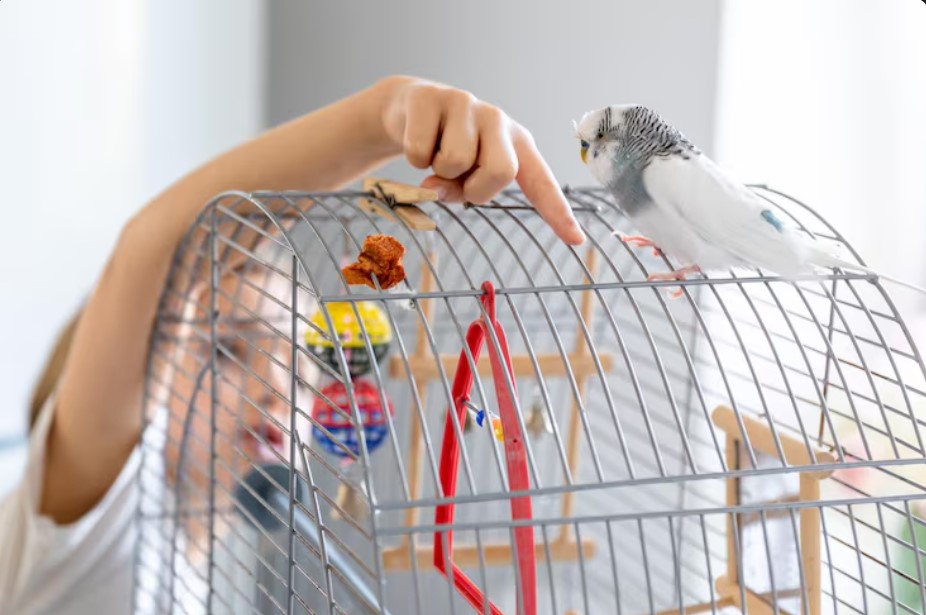
Caring for a pet bird involves much more than providing food and water. Birds need a safe home, proper nutrition, mental activity, grooming support, and regular interaction. Choosing the right products can help your bird stay healthy, active, and comfortable.
When shopping for all bird products, it helps to understand what each item does and whether it matches your bird’s size, habits, and species. A product designed for a small finch may not work for a large parrot. This article explains the main categories of bird supplies, including food, cages, toys, treats, and accessories.
Bird Food and Daily Nutrition
Food is one of the most important pet bird products you will buy. A bird’s diet affects its energy, feather quality, digestion, weight, and overall health.
Many bird owners feed their pets a mix of pellets, seeds, fresh vegetables, fruits, and safe grains. The exact diet depends on the bird’s species, age, size, and health needs.
Pellets are often used as a daily food because they provide balanced nutrients in each bite. Seed mixes can add variety, but birds may pick out their favorite seeds and leave the rest. This can create an unbalanced diet if seeds are the only food offered.
Fresh foods can also support a healthy routine. Leafy greens, carrots, bell peppers, peas, and small amounts of fruit may be suitable for many birds. Always confirm which foods are safe for your bird before serving them.
Food storage matters too. Keep dry food in a sealed container and place it in a cool, dry area. Check the expiry date, smell, and texture before feeding it to your bird.
Bird Cages and Habitat Setup
A cage is your bird’s main living space. It should offer enough room for movement, climbing, stretching, and resting.
Choose a cage based on the bird’s adult size, not only its current size. Your bird should be able to open its wings without touching the sides. Long or wide cages are often more useful than very tall, narrow cages because many birds move from side to side.
Bar spacing is another key factor. Bars that are too wide may allow a small bird to escape or become trapped. Bars that are too close may not suit larger birds with strong feet and beaks.
A good cage should include:
-
Secure doors and locks
-
Removable food and water bowls
-
A pull-out tray for cleaning
-
Several perches
-
Space for toys
-
Safe bar coating
Place the cage in a well-lit area where your bird can see family activity. Avoid direct sunlight, strong drafts, kitchens, smoke, and areas with sudden temperature changes.
The cage should feel safe, not isolated.
Bird Toys and Mental Stimulation
Birds are intelligent and curious animals. Without enough activity, they may become bored, noisy, stressed, or destructive.
Toys are important bird products because they support natural behaviors such as chewing, climbing, searching, and problem-solving.
Common bird toy categories include:
-
Chewing toys
-
Foraging toys
-
Climbing ropes
-
Bells
-
Swings
-
Ladders
-
Puzzle toys
-
Shredding toys
Rotate toys regularly instead of filling the cage with too many items at once. A simple rotation keeps the environment interesting and gives your bird room to move.
Foraging toys are especially useful because they make birds work for small pieces of food. This copies part of the searching behavior they would use in nature.
Check toys often for loose threads, broken clips, sharp edges, and small parts. Remove any damaged toy before it becomes dangerous.
Bird Treats and Reward-Based Training
Treats can help with bonding and training, but they should not replace daily food.
Small treats can reward good behavior, support recall training, or help a nervous bird become more comfortable around people. The best treat is one your bird enjoys but does not receive all day.
Popular bird treats may include:
-
Millet sprays
-
Small seed pieces
-
Dried fruit
-
Nut pieces
-
Baked bird treats
-
Species-safe fresh foods
Use treats in small amounts. Large portions may reduce your bird’s interest in its normal food and can lead to unwanted weight gain.
Treats also work well during step-up training, carrier training, or simple handling practice. Keep training sessions short and positive. Never force your bird to continue when it appears tired or stressed.
Bird Accessories for Comfort and Care
Accessories make daily bird care easier. They also improve comfort, hygiene, and safety.
Useful accessories include feeding bowls, water dispensers, cage liners, bird baths, travel carriers, nail care tools, cleaning brushes, and cage covers.
Perches are one of the most important accessories. Use perches with different widths and textures so your bird can change its foot position. Natural wood perches can provide better grip than smooth plastic perches.
Place perches carefully. Do not position them directly above food or water bowls because droppings can contaminate them.
A bird bath can help many birds keep their feathers clean. Some birds prefer a shallow bowl, while others enjoy a light mist. Let your bird choose what feels comfortable.
Travel carriers are also useful for vet visits, emergencies, or short trips. The carrier should be secure, well-ventilated, and easy to clean.
Choosing Products for Different Types of Pet Birds
There are many types of pet birds, and each type has different needs.
Finches and canaries usually need smaller accessories, gentle perches, and open flying space. Budgies and cockatiels often enjoy swings, ladders, bells, and lightweight chewing toys.
African greys, cockatoos, and macaws need stronger cages and heavy-duty toys. Their beaks can damage weak plastic, thin wood, or poor-quality metal parts.
Lovebirds and conures are active and playful. They may enjoy climbing toys, ropes, shredding materials, and foraging activities.
Before buying all bird products, check the product size and recommended bird type. Avoid choosing products only because they look attractive. The item must match your bird’s strength, body size, and behavior.
Safety Tips When Buying Bird Products
Safety should guide every purchase.
Avoid products with sharp metal, peeling paint, loose threads, weak clips, or small pieces that your bird may swallow. Check the product label and material details before use.
Clean new bowls, perches, cages, and toys before placing them near your bird. Use bird-safe cleaning methods and rinse every item properly.
Do not assume that every product sold for birds is suitable for every species. Watch how your bird uses each new item during the first few days.
Inspect your pet bird products every week. Replace damaged items quickly, especially ropes, toys, perches, feeding bowls, and cage locks.
Choose the Right Products for Your Bird
Start with the essentials: safe food, a suitable cage, clean bowls, strong perches, and a few engaging toys. Then add treats and accessories based on your bird’s routine.
Do not buy everything at once. Watch your bird’s behavior, learn what it enjoys, and choose products that support health, movement, and comfort. The right bird products should make daily care simpler while giving your bird a safer and more active life.
Frequently Asked Questions
1. What are the most important products for a new pet bird?
A new bird needs a suitable cage, healthy food, food and water bowls, safe perches, basic toys, cage liners, and a secure travel carrier. Choose every product based on the bird’s size and species.
2. How often should bird toys be replaced?
Replace toys when they become broken, dirty, sharp, or unsafe. You can rotate safe toys every one or two weeks to keep your bird interested without buying new toys constantly.
3. Are seed diets healthy for pet birds?
Seeds can be part of a bird’s diet, but they may not provide complete nutrition when used alone. Many birds benefit from a balanced diet that includes pellets and suitable fresh foods. Ask an avian veterinarian for advice based on your bird’s species.
4. How do I choose the right cage size?
Choose a cage that allows your bird to fully stretch its wings, climb, and move between perches. Check the bar spacing carefully so the bird cannot escape or trap its head.
5. Can the same bird products be used for every bird species?
No. Different types of pet birds have different body sizes, beak strength, activity levels, and feeding needs. Always check whether the product is designed for your bird’s species and size.